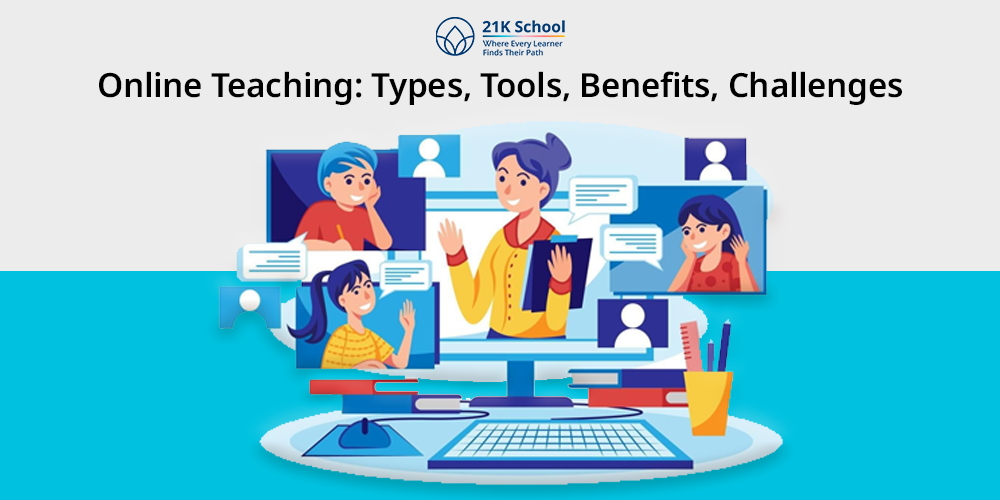
Thomas drives a delivery route until 6 p.m., eats in his car, and opens his psychology course at 8. Tonight, there’s a research methods quiz tomorrow and a reflection post due at midnight. He watched the lecture on variables twice and still can’t say what separates an independent one from a dependent one. That’s a common place to be, and it’s why online class help for students has become an everyday search.
He isn’t behind because he’s careless. Nothing comes easily to him before the clock strikes midnight. With the right support, he can understand variables; with the wrong support, someone else writes his discussion post, so it isn’t truly his.
What Online Class Help for Students Actually Means
Academic support outside of class, like online class help for students, focuses on helping students understand and finish their courses. A tutor or subject expert clarifies anything you’re unsure about and guides you toward useful resources and confirms your reasoning. Assignments remain your own work.
You’ll see the same idea under other names: online class help, online academic support, online course help. Whatever the label, the useful version looks like a good office hour that happens on your schedule.
The test is simple. An explanation of how a confidence interval works is support. If the other person turns in your problem set, then that counts as substitution.
When Students Usually Ask for Help
When the Material Won’t Click
The recorded lectures are great at delivering content, but not great at answering questions. If a concept is still unclear after watching it twice, seeing it from a new angle can make it clear at once.
Giving someone ambiguous instructions will have the same effect as above. If you read it 4 times and still don’t know what the instructor wants, asking a second person to read it for 10 minutes is better than 2 hours of guessing.
When Life Crowds Out Study Time
You might have three deadlines in one week. If your shift changes, you may not study at all. You could spend your evening working instead. This is a common scenario for working students, parents, and caregivers.
Falling behind online is easy to miss because nobody sees it. There’s no empty seat to notice. Asking early, before a backlog builds, costs the least. The same goes for exam prep, when you need someone to help you rank six chapters by what will likely matter.
What Support Looks Like in Practice
Most students need one of a handful of things:
- Explanations of a concept, such as online tutoring for statistics or anatomy
- Assignment guidance on requirements and rubrics
- Study and exam preparation with practice questions
- Research and writing feedback on sources and drafts
- Walkthroughs of course instructions and platform tools
Follow the format of the problem. A student who comprehends the reading but has difficulty taking timed quizzes needs practice under pressure, not another lecture. If their ideas are strong and the citations are disorganized, it is the writing that needs feedback.
Some forms of help take only a few minutes. Online learning support may include a 10-minute learning period that involves submitting a quiz or reviewing the weighting of each category in the gradebook.
Getting More Out of a Session
Before You Ask
Name the stuck point. “Psychology confuses me” gives a helper nothing, while “I can’t tell a confounding variable from a control” gives them a place to start. Write down two or three questions like that.
Take along the prompt, the rubric, and your own attempt, even if it turns out to be incorrect. This error will reveal to a helper where you got stuck. Choose a goal as well, such as learning how to solve a particular type of problem or completing an outline that you feel comfortable with.
After the Session
Do a similar problem the next day, with no notes. The next study objective is to identify where you get stuck. Then read your instructor’s comments on past assignments to avoid repeating the same mistakes.
Practice also at regular intervals. Two sessions of 20 minutes each on different days will more easily fit into a shift and lead to better retention than one long evening session. Treat student academic support as a supplement. Lectures, readings, and practice still do most of the work.
Choosing Who to Ask
Subject Knowledge and Communication
Start with the content knowledge. If someone doesn’t get a concept, they can explain it again in a different way to help. Invite them to tell you about the courses they have assisted with and at what level.
Communication is also important. The answer should be understood, and there should be no long waiting period for an answer. Knowledge of the online environment is useful because remote courses and timed quizzes present unique challenges.
Flexibility and Honest Claims
Flexible hours are important when studying around a night shift. Personalized guidance ensures it is relevant to your syllabus and teacher/lecturer, and is not generic. Academic help for students should adapt to your course, not the other way around.
Watch out for big claims. No one can guarantee a grade, so question any numbers without proof! You can gain a lot from a short chat.
What to Expect From a First Conversation
Expect questions, then answer them. The good helper will ask you where you are studying, what the assignment is about, and what you have already attempted. That isn’t stalling. You must give them a starting point for tailoring the explanation.
Be prepared for some work in the session. You may be required to explain a step or solve a problem while they are observing you. It might seem awkward, but that’s how online course support will turn into something you can exercise on your own next week.
And expect honesty about limits. If a topic needs more than one session, or your instructor is the right person to ask, a good provider says so.
Using Help Without Crossing the Line
Legitimate academic assistance helps you to learn the material and to do your work. Writing centers, tutoring labs, and study groups have served this purpose for years. Online options move the same idea to a screen.
It won’t allow impersonation or taking exams for someone else. Also, it prevents getting around proctoring software or passing off a whole course. It rules out services that guarantee an A. The consequences range from failing a course to receiving a misconduct record.
Read your school’s academic integrity policy before you start. Each institution, and even each teacher, has different rules. If you have any questions, please send an email to your instructor. A small conversation now to avoid a much bigger one later.
Conclusion
Students can get concept explanations, help with assignments, exam preparation, writing help, and course setup help from an online class help for students. If you’re so busy that you can’t concentrate in class or don’t have enough time because of classes, work, or family, it’s for you!
It works best when you name the problem, bring questions, practice afterward, and stay within your school’s rules. Struggling in an online course is common, and it may reflect your schedule rather than your ability. Asking for appropriate help when a course becomes demanding is a practical decision. Reach out to platforms like Pay for My Class for online class help or academic guidance.
Leave a Reply