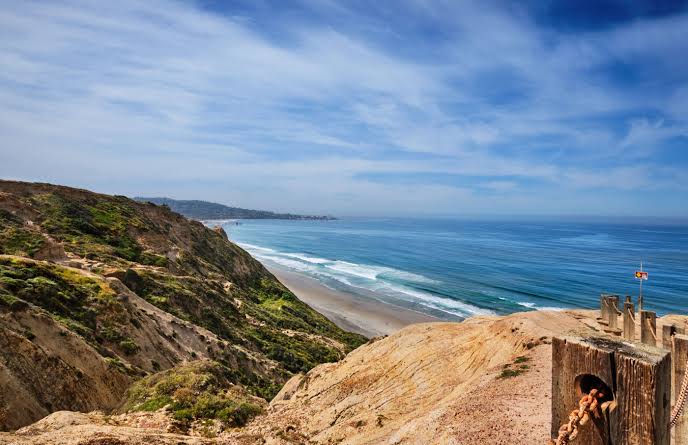
Black’s Beach in La Jolla, San Diego, is famous for its dramatic sandstone cliffs, wide sandy shoreline, and impressive Pacific Ocean views. Although the beach attracts hikers, surfers, photographers, and nature lovers, reaching the sand can be more challenging than many visitors expect. Understanding Black’s Beach hiking trail options, tide conditions, and cliff hazards is essential before planning your visit.
Unlike beaches with easy parking beside the sand, Black’s Beach lies beneath tall coastal bluffs, and some access routes are steep, eroded, or unsafe. Careful preparation can help you enjoy the scenery without taking unnecessary risks.
Where Is Black’s Beach Located?
Black’s Beach sits along the coast of La Jolla, north of central San Diego, beneath cliffs near Torrey Pines and the Torrey Pines Gliderport. The shoreline is associated with Torrey Pines City Beach and Torrey Pines State Beach, which are managed by different public agencies. <Cite refs={[“turn890952search0″,”turn890952search6”]}/>
Its secluded setting makes the beach appealing to visitors who want ocean views away from busier urban areas. However, the steep terrain limits direct access, and reaching the shoreline requires more planning than visiting a typical city beach.
Before setting out, check official beach information and confirm that your intended access point is currently open.
Understanding Black’s Beach Hiking Trail Options
There are several ways people approach Black’s Beach, but not every route is suitable or safe for every visitor.
1. Torrey Pines Gliderport Area
The Torrey Pines Gliderport overlooks Black’s Beach and offers striking coastal views. A steep trail has historically been used to descend from this area, but the City of San Diego warns that access is difficult because of high cliffs and unimproved, unmaintained trails. The San Diego Tourism Authority has also reported warnings against using the Gliderport trail because of cliff instability. <Cite refs={[“turn890952search0″,”turn890952search1”]}/>
Do not assume the Gliderport descent is safe or open. Check current official warnings and follow posted closures. Never use an unmarked shortcut, climb over barriers, or continue down a route that looks eroded or unstable.
2. Access From Torrey Pines State Beach
Another option is to approach from the north along the shoreline near Torrey Pines State Beach. This can involve a substantial walk over sand, and sections may become impassable when the tide rises or surf reaches the cliffs.
Check tide predictions before choosing this route, and do not start if conditions could prevent your return. If waves are reaching the cliff base or there is insufficient room to pass safely, turn back rather than attempting to squeeze through.
3. Access From La Jolla Shores
Visitors may also consider approaching from La Jolla Shores and walking north along the coast. This is a long shoreline walk, not a short trail, and some sections are accessible only when tides and surf allow.
UC San Diego identifies neighboring beaches as preferable approaches but emphasizes that shoreline routes may be blocked by high tides. <Cite refs={[“turn890952search3”]}/>
Never rely on a route simply because another visitor used it recently. Ocean conditions can change within hours.
Cliff Safety: The Most Important Consideration
The cliffs above Black’s Beach can experience erosion and sudden rockslides. Loose sandstone, overhanging sections, and unstable ground create hazards both above and below the bluffs.
Follow these essential precautions:
- Stay well away from the cliff edge and cliff base.
- Use only routes confirmed to be open and officially designated.
- Obey warning signs, fencing, and closure notices.
- Avoid steep or eroded trails, especially after rain.
- Wear sturdy footwear with good grip.
- Do not attempt a descent if you are unsure you can safely complete the return journey.
UC San Diego specifically warns visitors about unstable cliffs, bluff failures, and the importance of using designated trails. <Cite refs={[“turn890952search2″,”turn890952search3”]}/>
If a route feels unsafe, turn around. Reaching the beach is never worth risking a serious fall.
Check Tides, Surf, and Weather Before Hiking
Tide conditions are especially important when accessing Black’s Beach from neighboring shorelines. High tides and large waves can narrow or completely block sections of the beach, potentially leaving visitors unable to return the way they came.
Before your visit, check:
- Local tide predictions for your planned arrival and departure.
- Surf height, swell, and coastal warnings.
- Weather forecasts, particularly after rain.
- Current access restrictions and trail closures.
- Daylight hours, allowing enough time for a safe exit.
Avoid entering the water unless conditions are appropriate for your ability. Black’s Beach is known for powerful surf and rip currents, so it is not a good choice for inexperienced swimmers.
What to Bring for Your Visit
Pack drinking water, sunscreen, a hat, a fully charged phone, and sturdy walking shoes. Bring an extra layer because ocean breezes can make the coast feel cooler than expected.
Facilities directly on the beach are limited, so plan ahead for restrooms and other services. Take all rubbish with you, avoid disturbing wildlife, and leave natural features undisturbed.
If you are visiting mainly for scenery, consider enjoying the ocean views from an approved viewpoint instead of attempting a hazardous descent.
Frequently Asked Questions
Is Black’s Beach hiking trail suitable for beginners?
Some approaches involve steep, unstable terrain or difficult shoreline conditions. Beginners should avoid hazardous cliff trails and choose an accessible coastal viewpoint or another beach if the route is not clearly safe.
Can you walk to Black’s Beach at high tide?
Shoreline access may be blocked by high tides and large surf. Check tide information and never continue when the route is narrowing or waves are reaching the cliffs.
Is parking available near Black’s Beach?
Parking options exist near surrounding coastal access points, but availability and restrictions vary. Check current parking rules and access information before driving.
Final Thoughts
Black’s Beach hiking can offer spectacular coastal scenery, but access deserves as much attention as the destination itself. Before following any Black’s Beach hiking trail, verify current route conditions, check tides, and take cliff warnings seriously.
Choose safe, authorized access, carry essential supplies, and turn back whenever conditions become uncertain. A well-planned visit lets you appreciate the beauty of Black’s Beach while putting personal safety first.
Leave a Reply